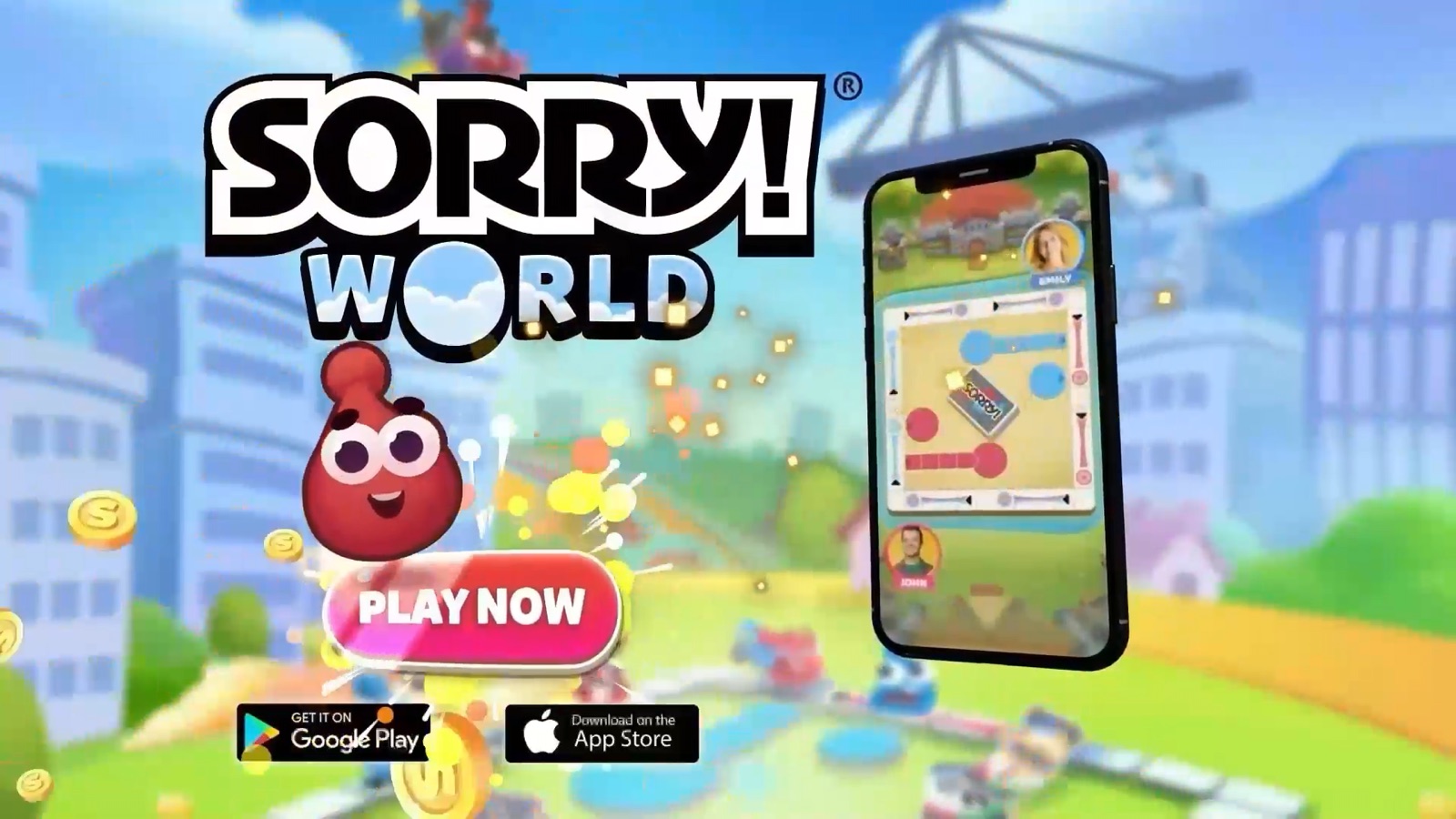
01 — The Context
The principal challenge involved discovering creative possibilities within an
already-established, globally protected IP identity — rather than defining one
from scratch. The creative tone emphasized playful warmth and social, friendly
rivalry.
The constraint wasn't the IP. The constraint was finding what the IP could
become — in a form it had never existed in before.
02 — Team Configuration
When the project required additional creative depth, I suggested deploying a
motion design lead and storyboard artist — the same configuration that had
succeeded on MatchStar. When motion direction still needed advancement to meet
the Creative Director's standards, I joined alongside Draw Match
responsibilities. The final team included a Creative Director (vision holder),
a creative trio (motion lead, storyboard artist, creative strategist), a
Principal Motion Graphics Designer (traditional animation expertise), a Spine
animator (pip character system), two mid-level designers, and one junior
designer.
Taking on Sorry! World alongside Draw Match was possible because of what the
team had become — not despite it.
03 — Creative Approach + Pipeline
Pip animation library: Spine-animated character system created
reusable libraries across multiple styles, animation states, and expression
levels — optimized through feedback and templatised for production consistency.
Modular video architecture: four independently-built gameplay
videos served as self-contained pieces. A fifth trailer — directed by the
principal MGD — was assembled from those modular elements rather than
functioning as a standard highlight reel.
Quality benchmark video: the first gameplay video, developed
collaboratively by the principal MGD and me, established the motion direction
standard for all subsequent team work. Every aspect — pacing, character timing,
FX behavior, board interaction rhythm — was deliberately resolved.
The pip characters — central visual elements — required solving first. The
Spine animator constructed a comprehensive animation library across different
character styles, emotional expression states, and energy variations. Each
iteration received team feedback, and successful results became templatised
systems rather than rebuilt components for each video. The principal MGD's
traditional animation foundation — understanding weight, timing, and
expression — established the quality ceiling. Characters needed specific
qualities: cheeky tone, warmth, physical grounding despite stylization.
Enough exaggeration to make the pips feel alive and distinctly Sorry! — but
controlled enough that the gameplay always remained easy to follow on first
watch.
04 — Licensed IP Workflow
The Hasbro approval process required designing around rather than against.
Rather than presenting speculative creative, the team developed meticulous
understanding of the IP's visual language, tone, and emotional territory
before submission.
When Hasbro reviewed the benchmark video, feedback was minimal — essentially a
single logo detail — and largely approving. They recognized a Sorry!
reimagination they hadn't conceived themselves, yet felt authentically aligned
with the IP. This is the distinction between compliance-based licensed work and
interpretation-based licensed work done effectively.
05 — Accumulated Capability
Sorry! World represented the third distinct creative challenge within a
compressed timeframe — each fundamentally different in character:
Draw Match: building creative identity from absence, within
high ambiguity, before product existence.
MatchStar 3D: establishing structured experimentation at
scale.
Sorry! World: working within inherited creative identity while
discovering unrealized potential under approval constraints and parallel
project demands.
The project's successful execution evidenced accumulated team capability —
strategic deployment of individuals to specific gaps, refined production
thinking, and understanding of marketing requirements.
Not a single project — but a compounding body of capability — built through
each challenge, available for the next one.
Credits
Creative + Art Direction by Yaseen Malik. Team in Bangalore (CD, motion lead,
storyboard, strategist, principal MGD, Spine animator, mid + junior designers)
with external vendor partnership in Vietnam (7swords) for character animation
overflow. In partnership with Hasbro IP team and Gameberry Labs marketing
leadership.