01 — The Situation
The starting point was minimal — an office-table card game and rough prototype,
with no visual identity, art direction, or digital assets to build from. This
differed from refining an existing project. The visual language, character,
gameplay framing, and emotional tone all required origination. The only reference
was the feeling the physical game produced during play. The team's responsibility
was understanding that feeling clearly enough to reconstruct and amplify it in
marketing creative — while maintaining integrity to inform parallel product
development.
Everything — the visual language, the character, the world — had to be built
from first principles.
02 — Reading the Team
The team possessed capability but lacked clear direction in an ambiguous
environment, causing their strengths to diffuse rather than compound. Individual
designers were strong; collectively, they hesitated to commit without decisive
guidance. Skepticism existed about whether coherent work was possible without a
finished product reference.
The first responsibility wasn't creative — it was organizational. Establishing
what kind of project this represented and reframing the team's actual role
shifted the dynamic from skepticism to focused problem-solving.
03 — Building the Creative
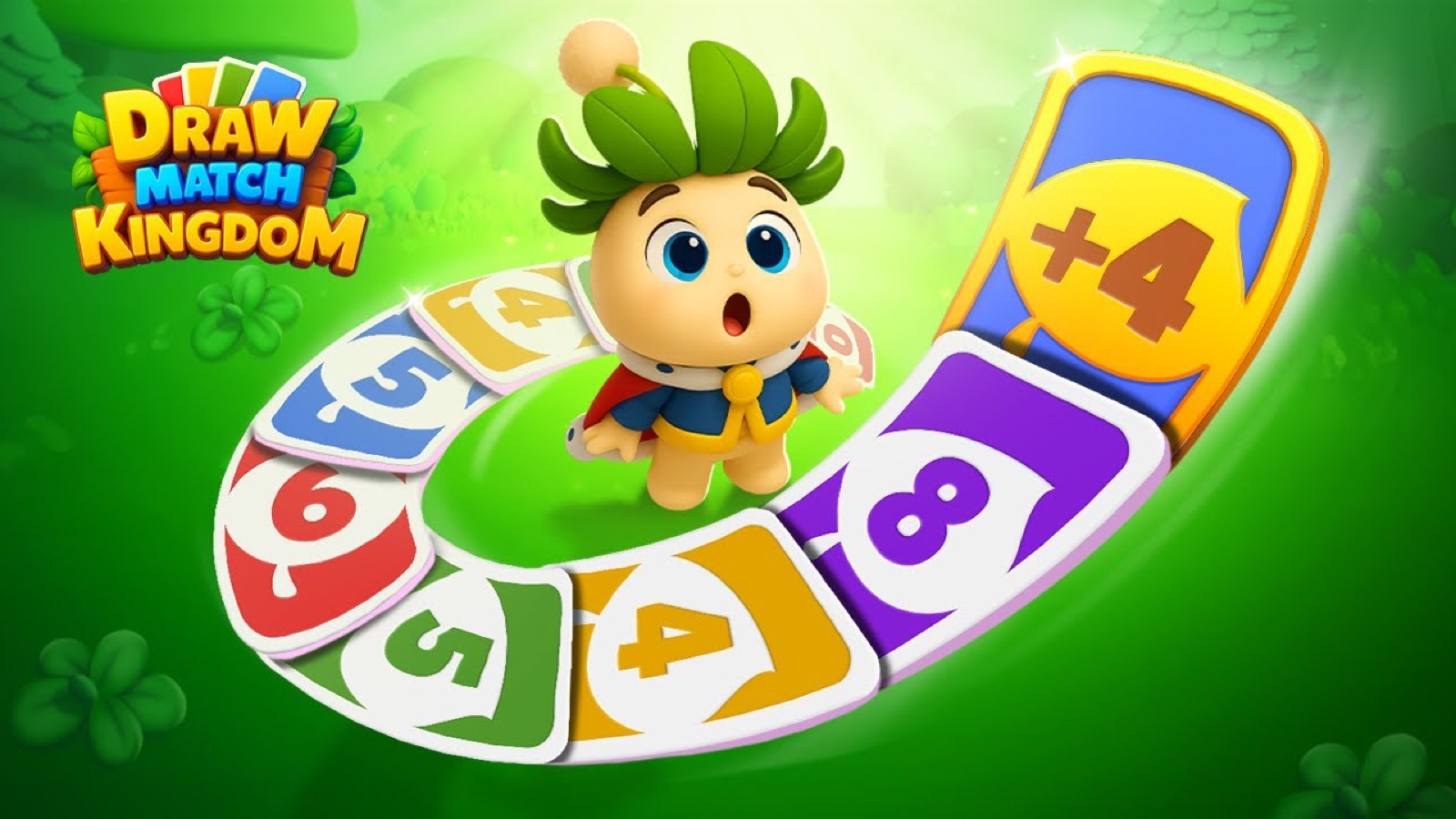
Character development: the product team's 3D asset lacked
expressiveness and warmth for a casual audience. Rather than waiting for product
resolution, I instructed the team to rebuild character direction independently
using Nano-based prompting and Kling AI animation — treating AI-assisted
workflows as legitimate creative concepting, not workarounds. The pipeline
replaced a traditional 35-day character + animation cycle with a 6-day workflow
we could test against.
Motion language: card flip dynamics required exploration across
multiple dimensions. We tested a spectrum from heavier, physically weighted
movement to faster, snappier dynamics. Higher energy felt frantic; lower energy
felt slow. The solution balanced tangibility and satisfaction with effortlessness.
Store creative: screenshot work demanded different visual
thinking than video. Each screenshot's specific job was defined before
considering visual approach. An Art Director was brought in to elevate execution
quality while maintaining continuity of vision.
We weren't extending someone else's vision. We were determining what the vision
should be.
04 — Creative and Performance Working as One
The Performance Lead worked throughout the build rather than downstream. As
sections took shape, he gathered genuine reactions from colleagues and brought
observations directly into creative sessions. This integration converted feedback
into live creative input rather than revision gates — and created development
opportunities for the senior motion designer through direct exposure to
performance thinking.
05 — When It Landed
The clearest confirmation came when the final draft was shared studio-wide.
Product and art teams working in isolation saw the game as a unified whole for
the first time. The video established creative and motion language that
subsequent work built upon, evolving into structured line-of-communication
testing across 5 angles. This created a scaled creative operation with
directional clarity that carried through product launch — not validating a
single concept but establishing infrastructure for sustained, purposeful
experimentation.
06 — What This Project Required
Beyond visible motion and art direction skills, this required creative leadership
in an environment with no established foundations. Establishing motion standards,
recognizing when invention was appropriate, executing invention at a quality
level withstanding scrutiny, and keeping a capable team oriented toward coherence
despite ambiguity's natural drift tendency.
The model developed — marketing creative as validation infrastructure,
directional input, and the assembling of coherence before product completion —
shapes ongoing creative leadership thinking across early-stage teams.
Credits
Creative + Art Direction by Yaseen Malik. 5-creative pod in Bangalore (motion,
GD, 2D, storyboard). Cross-functional partners: Performance Lead, Marketing
Analyst, Product. At Gameberry Labs.